
| About Us | Camp Info | Sign Up | Log In |
| 09:00 | Welcome and Warm-ups |
| 09:30 | Group Exploration and Project Planning |
| 10:30 | Snack |
| 10:45 | Project Design |
| 12:00 | Lunch and Outdoor Games |
| 13:00 | Project Build |
| 14:15 | Break |
| 14:30 | Project Test and Assessment |
| 15:45 | Group Clean-up and Reflections |
| 16:00 | Pick up |
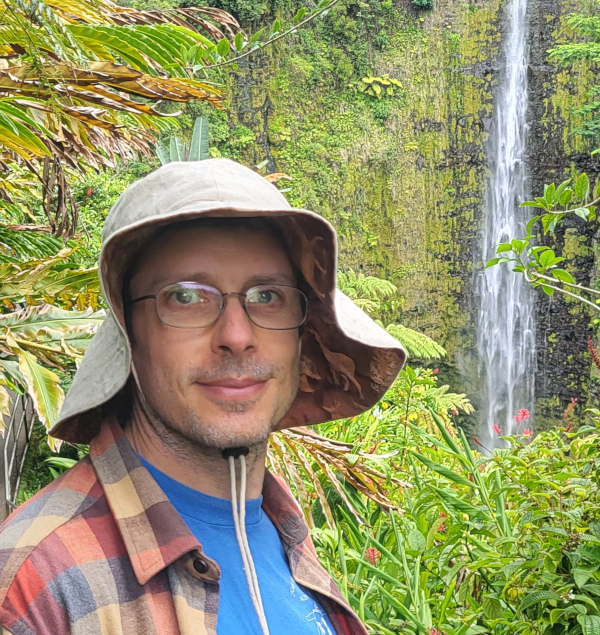 Thomas Coffee is the founding director of Verdafield. His career includes a decade in spaceflight research at MIT and NASA, where he led demonstrations of novel state-of-the-art technologies for space trajectory planning, precision planetary landing, planetary surface exploration, and artificial gravity. He spent another decade in software and operations research at Google, Microsoft Research, and Amazon, where he developed optimization systems for global logistics networks serving billions of customers. For over thirty years, Thomas has actively taught students of all ages—in math, science, engineering, music, and dance—including developing new educational programs with MIT, NASA, University of Washington, University Cooperative School, and Eckstein Middle School. He holds B.S., M.S., and Ph.D. degrees from MIT in math, astronautical engineering, and astrodynamics. |
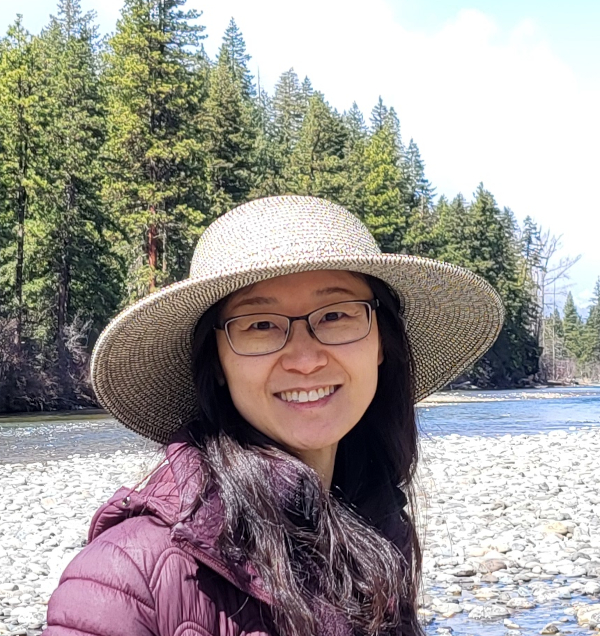 Shannon Dong is a Technical Fellow at The Boeing Company, leading advanced manufacturing automation and robotics technology concepts in Commercial Airplanes Product Development. She is also the Associate Director of the University of Washington Boeing Advanced Research Collaboration lab. As an Affiliate Associate Professor in the UW Mechanical Engineering Department, Shannon has mentored dozens of undergraduate and graduate student engineering project teams. She holds B.S., M.S., and Ph.D. degrees from MIT's Aeronautics & Astronautics Department and Computer Science & Artificial Intelligence Lab. |
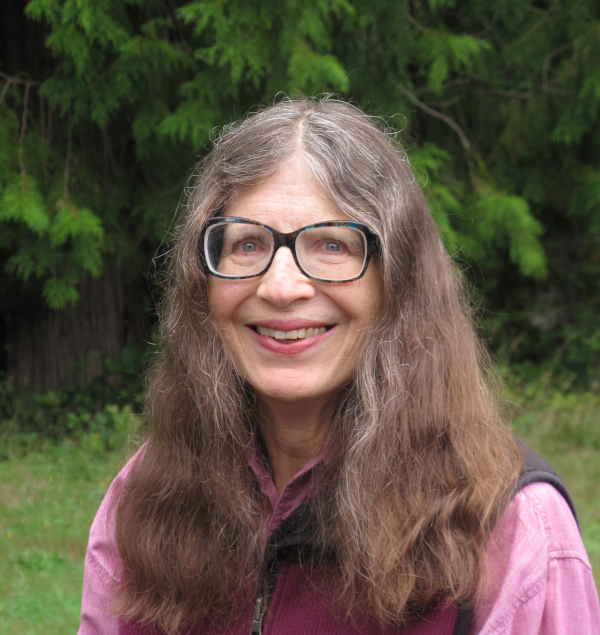 Carolyn Major developed guidance and control systems for dozens of space missions over more than three decades at TRW / Northrop Grumman, including humanity's most complex scientific spacecraft, the James Webb Space Telescope. She was the first woman honored by the American Institute of Aeronautics and Astronautics at the national level for undergraduate research in aerospace engineering. Throughout her career, Carolyn has developed and taught science enrichment programs at public and private K–8 schools in California and Washington. At MIT, she pursued the study of astronaut-assisted construction in space, and earned B.S. and M.S. degrees in Aeronautics & Astronautics. |
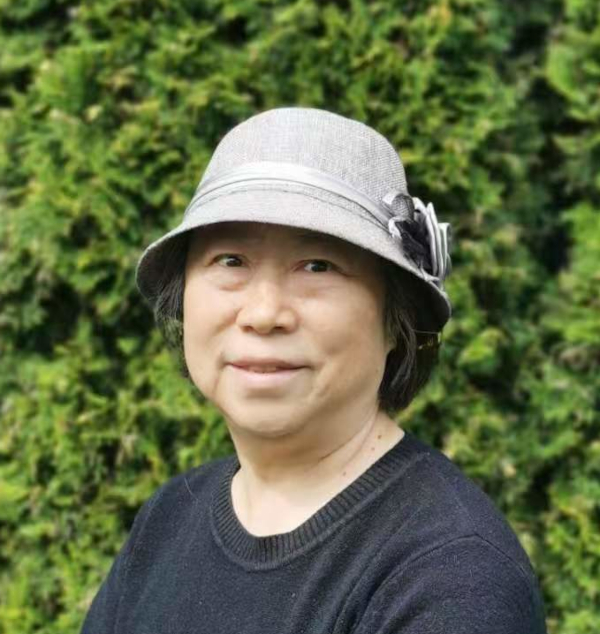 Lucy Hu retired as a Senior Software Engineer at Ford Motor Company, where she was principally responsible for powertrain control module development. She has over 30 years of professional experience in the fields of software-hardware interface technology, software design, development, programming, and validation. She previously served as an Associate Professor at Jilin University, accumulating a decade of experience in teaching and mentorship, and her students now sustain engineering roles across the globe. Lucy holds M.S. degrees in electrical engineering from Jilin University and in mathematics from Eastern Michigan University. |
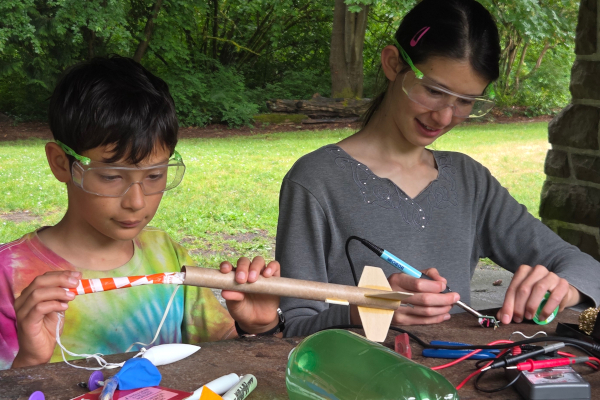
Our instructional assistants are students with years of experience in the design, construction, and operation of amateur aerospace and electronic systems, including NASA-sponsored high-altitude scientific payloads, nationally competitive high-performance rockets and gyrocopters, and the most powerful amateur rocket ever launched in the state of Washington.